Colophon
How this site is built, and what every number on it means.
A company that polices other people's claims should be unusually careful with its own. If you think something here is wrong or misleading, tell us — that correction is worth more to us than the sentence was.
The numbers policy
Every number on this site belongs to one of three categories, and nothing outside them appears at all. A figure is either badged Our promise, or it comes from our own operations, or it is a published third-party figure shown with its publisher, its date and its limitation.
- Commitments. Zero follower minimum, one hundred per cent disclosure, a fixed approval window, one invoice per campaign. These are decisions, so they are true on the day you read them, and you can hold us to them.
- Measurements. On-time payment rate, accounts removed for bought engagement, disclosure compliance, median creator earnings. These come from our own operations and are published on a fixed schedule rather than when they flatter us.
- Cited figures, caveat attached. Where a third-party number earns its place it is printed with the publisher, the period it covers and what is wrong with it — an ad-tool reach count is not a user count, a US survey is not a Bangladeshi one, and a vendor publishing research about its own category has an interest in the answer.
- The sources disagree, and we show that. BTRC counts 135.9 million internet subscriptions; DataReportal models 82.8 million users; the Bureau of Statistics surveys 58.6% of people aged five and over. They measure active SIMs, modelled individuals and surveyed individuals respectively. We name which one we are using rather than quietly picking the largest.
The integrity report
Twice a year we publish what the platform actually did: accounts removed for fraud, disclosure violations found and how they were resolved, disputes raised by creators and by brands, the percentage of payments released on the promised date, and median as well as top-end creator earnings. Including the numbers that embarrass us — a trust platform that will not publish its own trust metrics is asking for exactly what it refuses to give.
Every source we cite
The full list, linked. If you follow one and find we have characterised it wrongly, tell us — that correction is worth more to us than the sentence was.
- Bangladesh Payment Systems Report, 2025Bangladesh Bank
- Survey on Measuring the Opportunities and Usage of ICT, 2024-25Bangladesh Bureau of Statistics, via Bangladesh Sangbad Sangstha
- Internet use in Bangladesh climbs steadily (ICT Access and Use Survey 2025-26)Bangladesh Bureau of Statistics, via The Daily Star
- Local Consumer Review Survey 2025BrightLocal
- Internet users surge faster than mobile subscribers (BTRC monthly statistics)BTRC, via Bangladesh Sangbad Sangstha
- Digital 2026: BangladeshDataReportal (Kepios · We Are Social · Meltwater)
- Facebook restriction keeps F-commerce entrepreneurs at baye-CAB, via The Business Standard
- Trust in Advertising Study 2021Nielsen
What we found and refused to publish
This is the more useful half of a numbers policy. Each of these was available, would have flattered us, and did not survive checking.
- Bangladesh e-commerce market size. The published estimates span roughly six times from lowest to highest, none discloses a methodology, all are paid vendor products, and all conflict with Bangladesh Bank’s own payment data. There is no honest single number here, so we give none.
- Bangladesh influencer-marketing spend. The one forecast in circulation is paywalled, so it cannot be checked, and its publisher describes it as modelled from GDP and user counts rather than observed spend.
- “Half a million Bangladeshis have over 10,000 followers.” Company-reported by an influencer-marketing platform whose commercial interest is a large-looking creator pool, with no stated methodology. Tempting for a market-size slide. Not verifiable.
- The “nine times more impactful than influencer content” multiplier. It appears across dozens of marketing blogs with no survey name, sample size, year or geography attached anywhere. The related figures trace to a 2019 study by a UGC-platform vendor, which we would date and caveat rather than quote bare.
- “84% trust online reviews as much as personal recommendations.” That was 2016. The same researcher’s 2025 survey puts it at 42%. Using the old high would mean citing a number its own publisher has since contradicted — so we cite the fall instead, because the fall is the more interesting fact.
Photographs
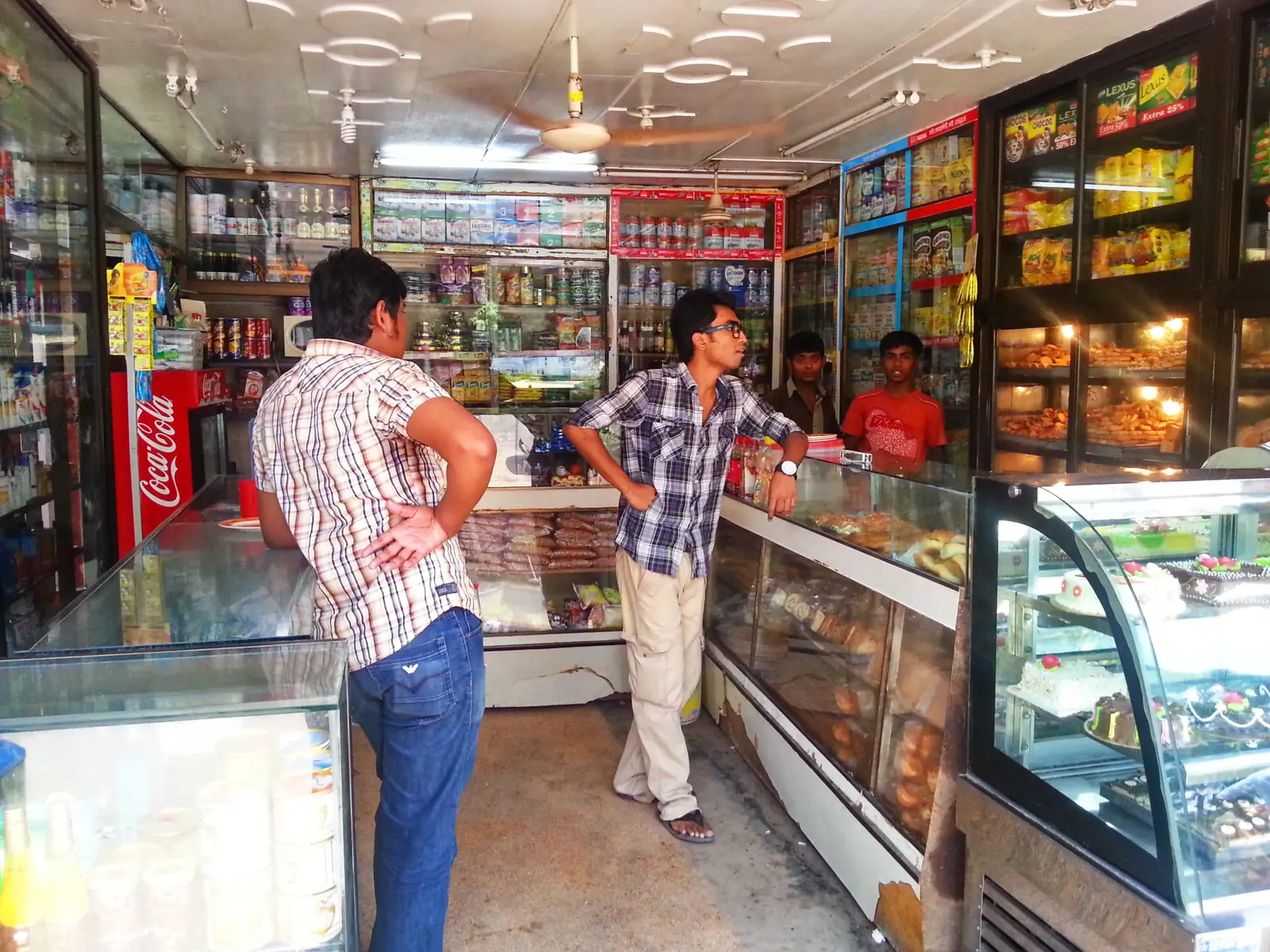
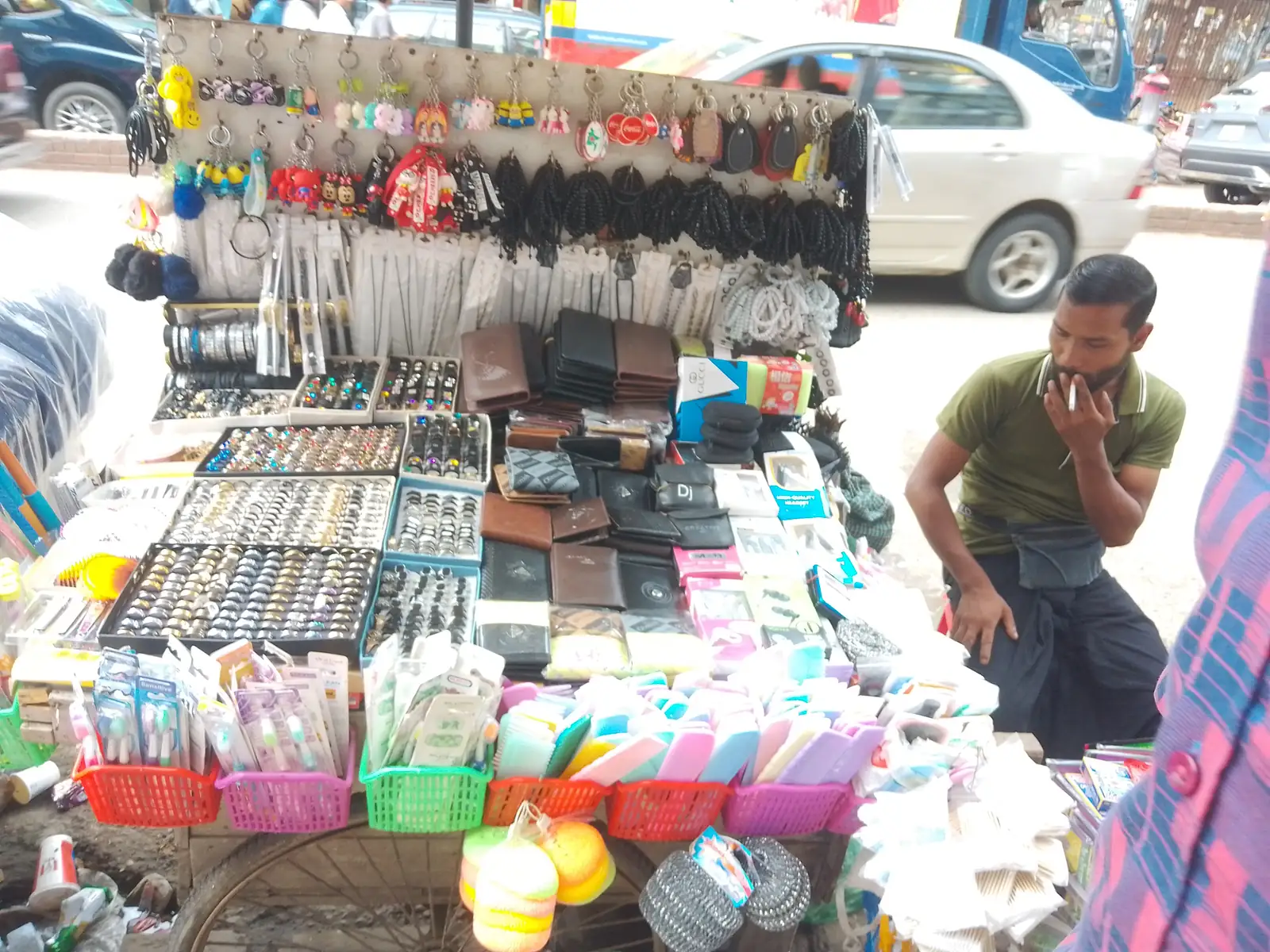
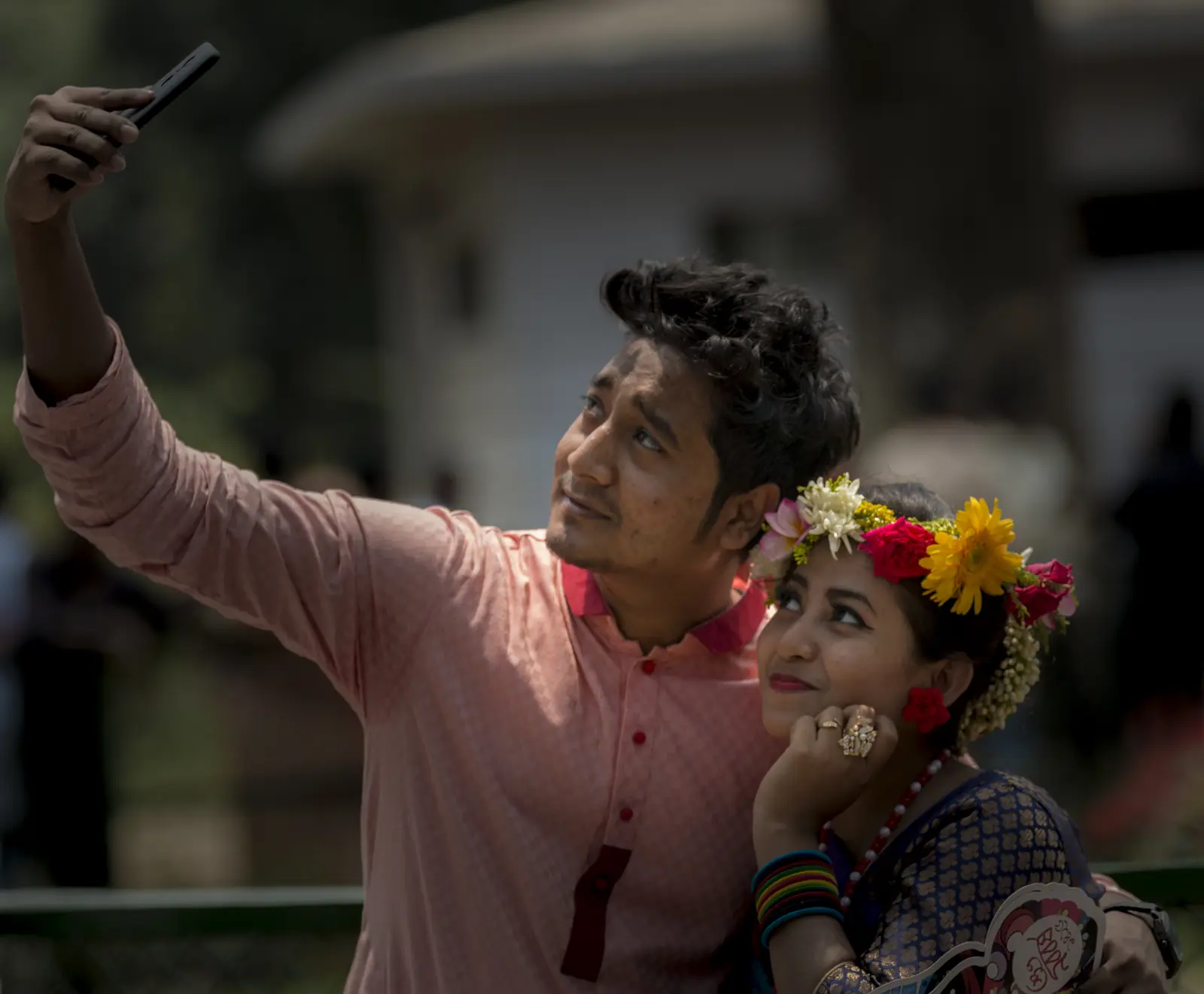
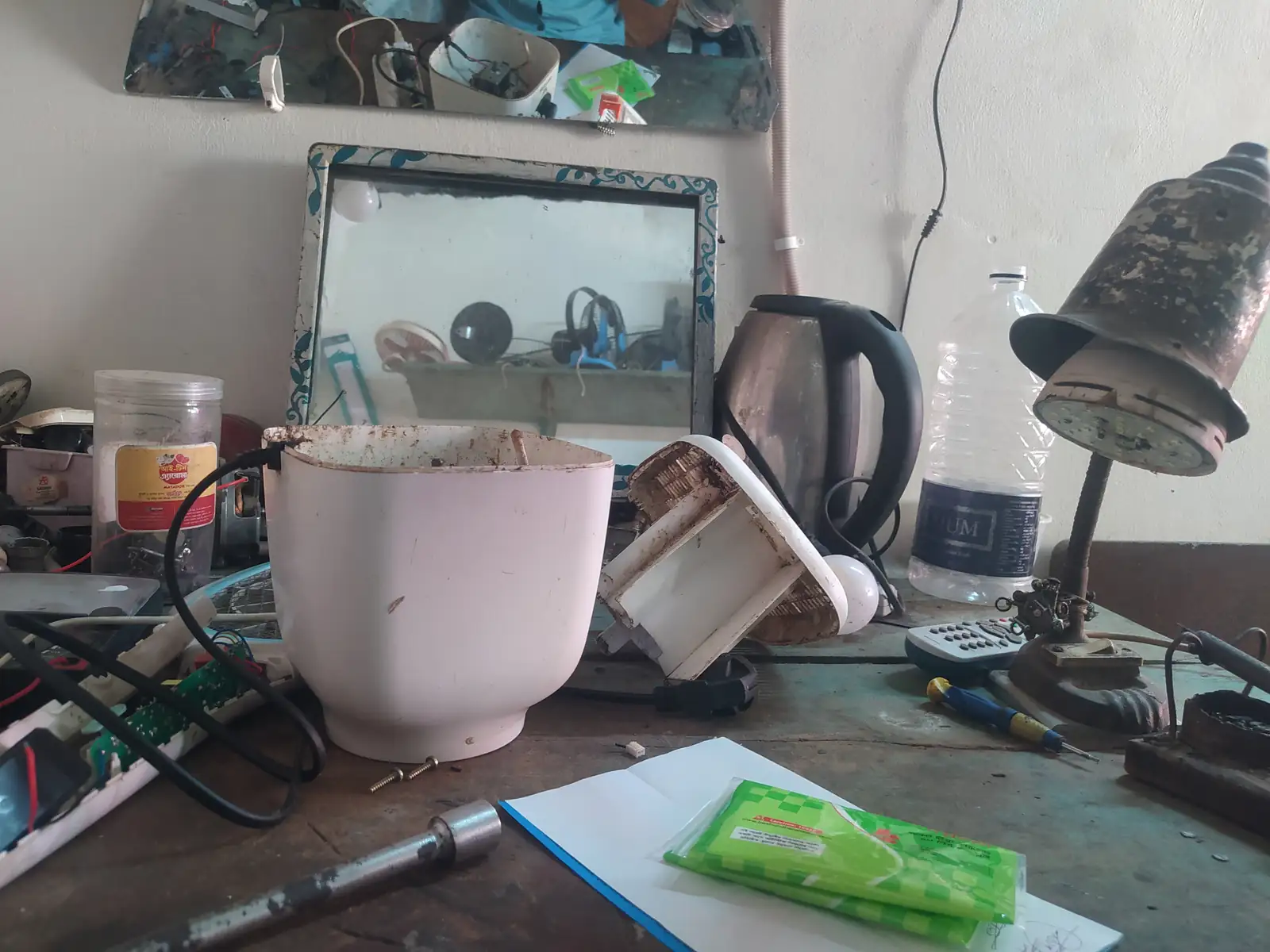
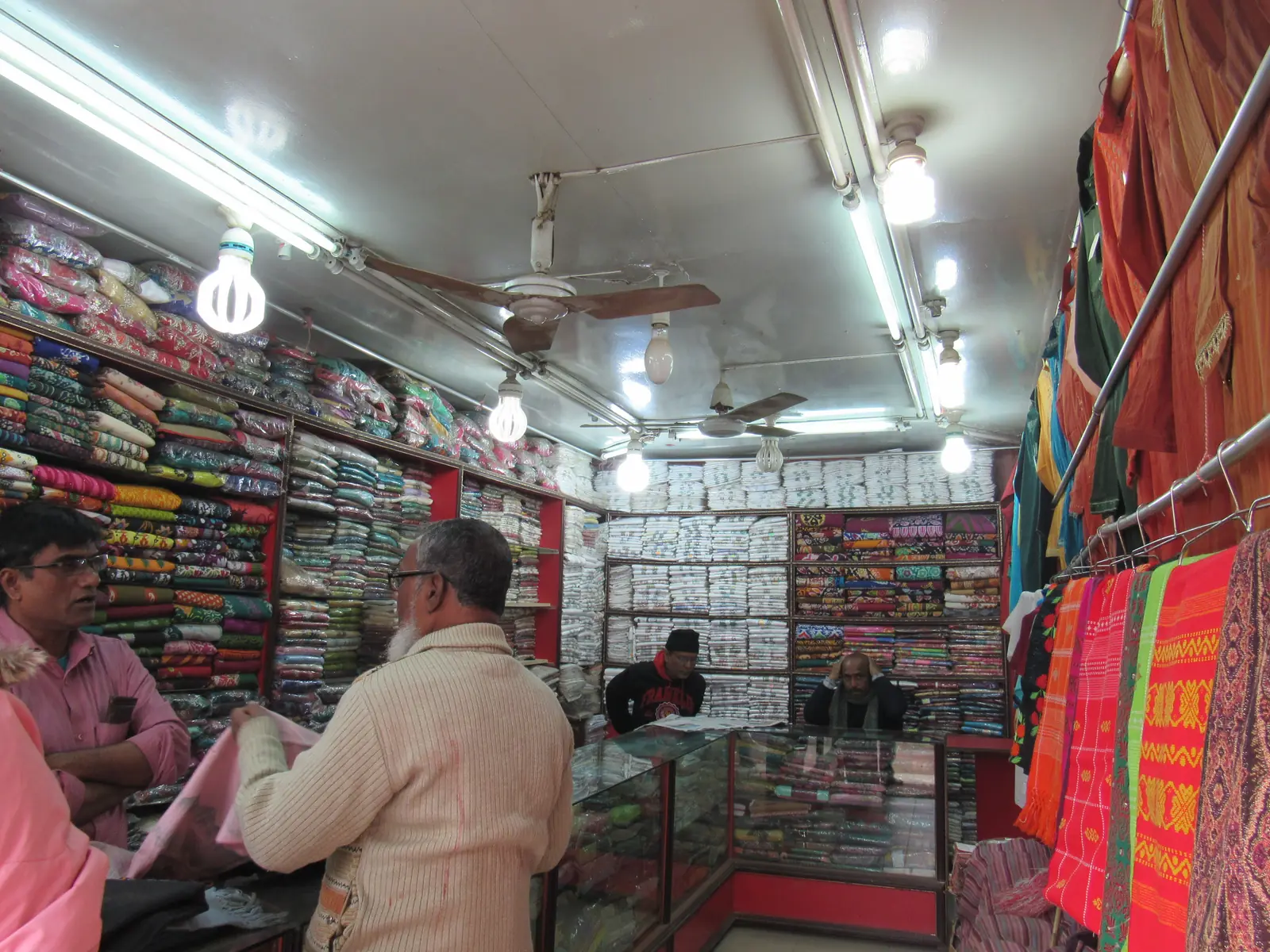
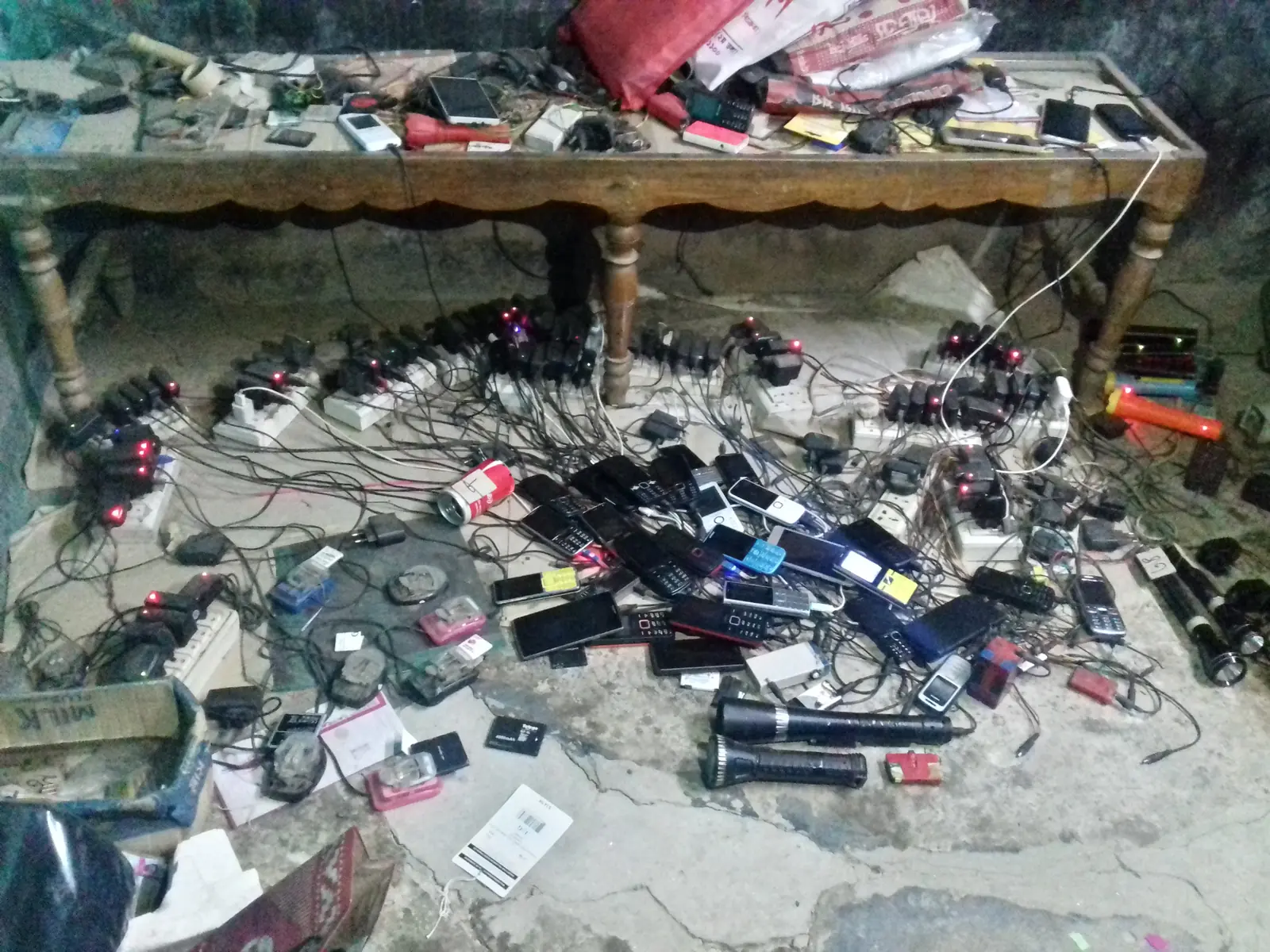
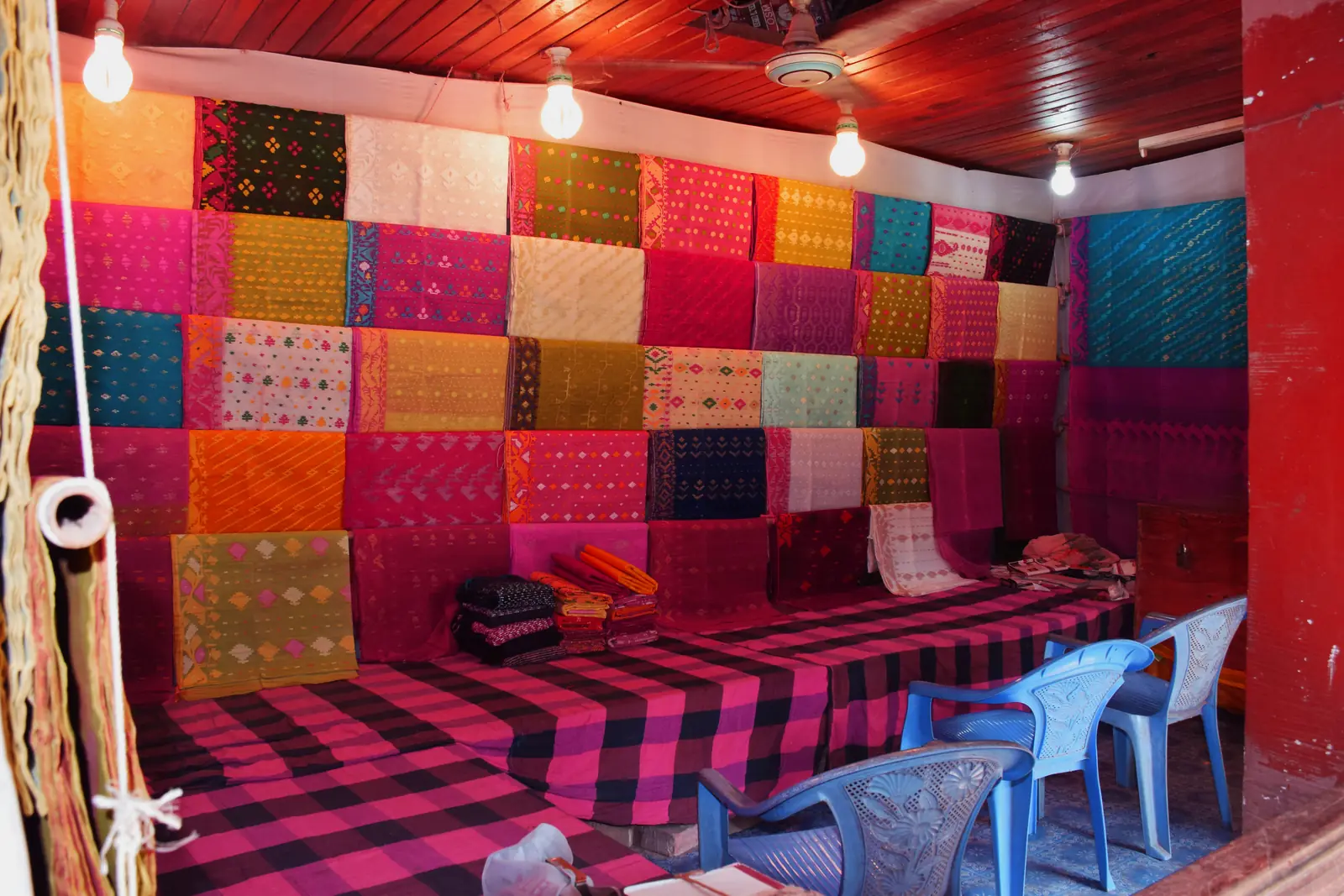
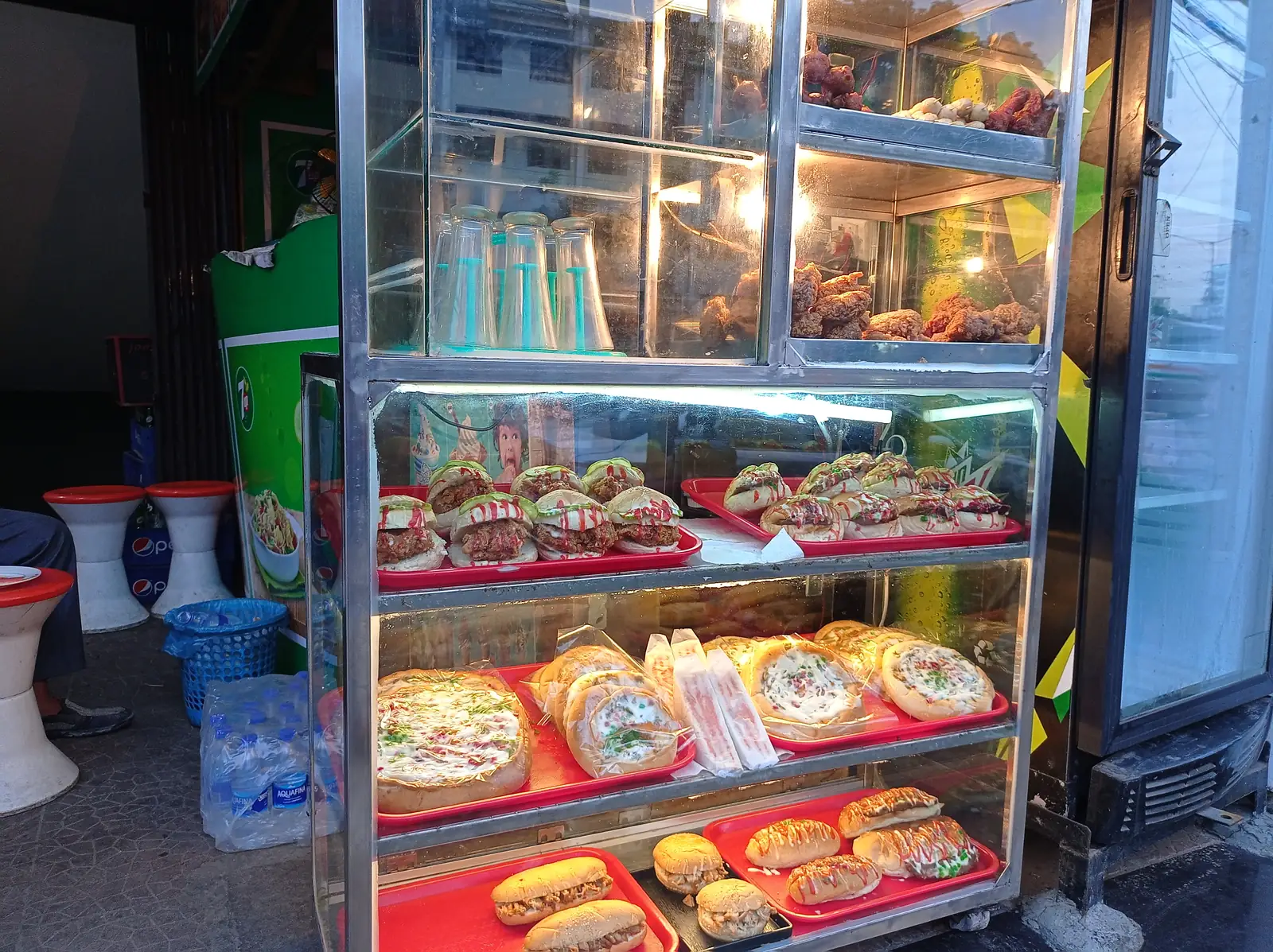
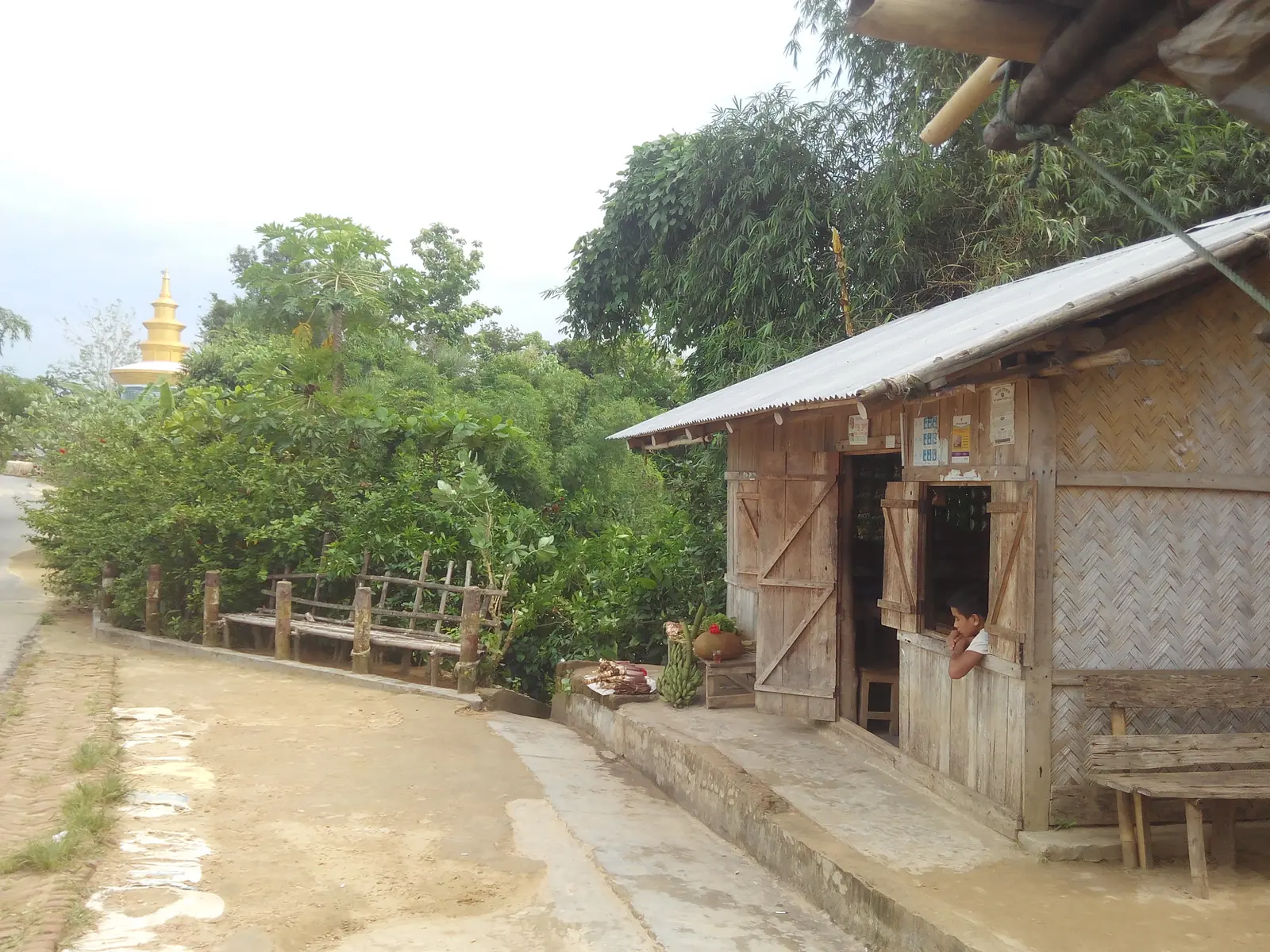
Every photograph on this site is a real, freely licensed picture taken in Bangladesh, credited below as its licence requires. None of them are stock, and none of them are of SheraBrand creators.
- No stock photography. We are arguing that produced, casted, retouched advertising has stopped working. Illustrating that argument with produced, casted, retouched stock imagery would undercut it on the same screen.
- Nobody here is presented as one of ours. The people and shops in these photographs have no relationship with SheraBrand, and every caption says what the picture actually is. We will not imply an endorsement that does not exist inside a product about trust.
- Nothing flagged for personality rights. Several otherwise perfect Commons photographs were rejected because they carry a personality-rights warning. The build script enforces this — it refuses to download a file that is flagged.
- The review card is drawn, not photographed. It is labelled as an illustration and uses a placeholder handle, because a fabricated quote beside a stranger's face is exactly the thing this company exists to stop.
- Real creators, when they exist. As campaigns run, this site will carry photographs of actual SheraBrand creators in their own rooms, named, with permission. Those will replace these.
Photograph credits
All from Wikimedia Commons, reproduced under the licences shown. Attribution is generated from the Commons API rather than typed in, so what appears here is what the licence says.
Type and design
The site is built on the SheraBrand design system, which is maintained alongside the brand story kit rather than invented page by page.
- Poppins and Hind Siliguri. Both are open-source typefaces served from this domain rather than a third party, so no font request leaves the site. Hind Siliguri sits second in the Latin stack because Poppins contains no taka sign.
- Bangla is not a translation. The two language versions are written separately, not machine-converted. Bangla gets its own leading, its own weights and no letter-spacing, because tight tracking collides conjuncts and pulls matras off their stems.
- The disclosure component. The paid-partnership label has fixed styling everywhere it appears — full contrast, never below 14px, never behind a fold. It is defined once in the design system so that no page can quietly make it smaller.
- Dark mode without a toggle. The whole site follows your system preference. On dark surfaces the bronze accent becomes Warm Sand and accent text lifts further, so every text pair still clears WCAG AA.
Everything else
- No trackers, no analytics cookies, no consent banner. There is nothing on this site that needs your permission, which is why you were not asked for it.
- The contact form has no backend. It composes a message and hands it to your own email app. Nothing you type is stored here, and there is no silent failure or fake success screen.
- Illustrative names. Brand names in example briefs and review cards are placeholders. Nothing on this site implies a commercial relationship that does not exist.
- Built with Next.js, statically rendered. Two languages, every page prerendered, no client-side JavaScript for anything that could be markup instead.